Stress Management Test: What's Your Coping Style?

How do you cope with the various stressful situations of everyday life? Through this test, discover your stress-management ability and usual coping style, and get tips for a healthier mind. It has 10 questions in total. 10 questions, about 10 minutes to complete. Answer honestly and find out which of the 3 types you are.
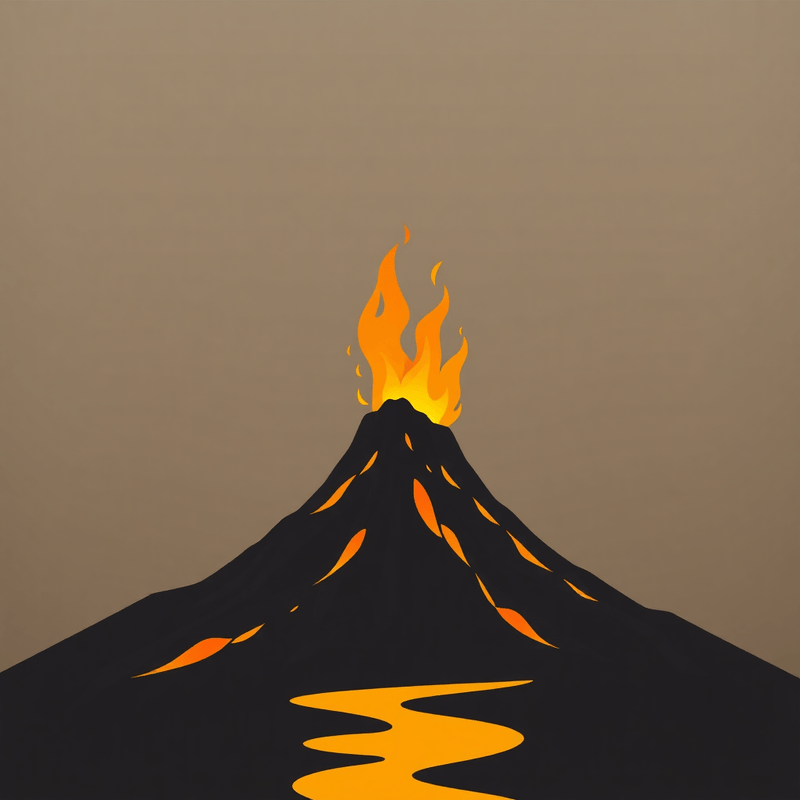
🌋 On the edge of burnout: the active-volcano stresser
When stressed, you look calm on the surface, but energy piles up inside. Eventually you hit your limit and erupt — or run completely flat. You tend to hold stress in.
- Master of bottling it up- You tend not to express worries or discomfort and quietly suffer alone.
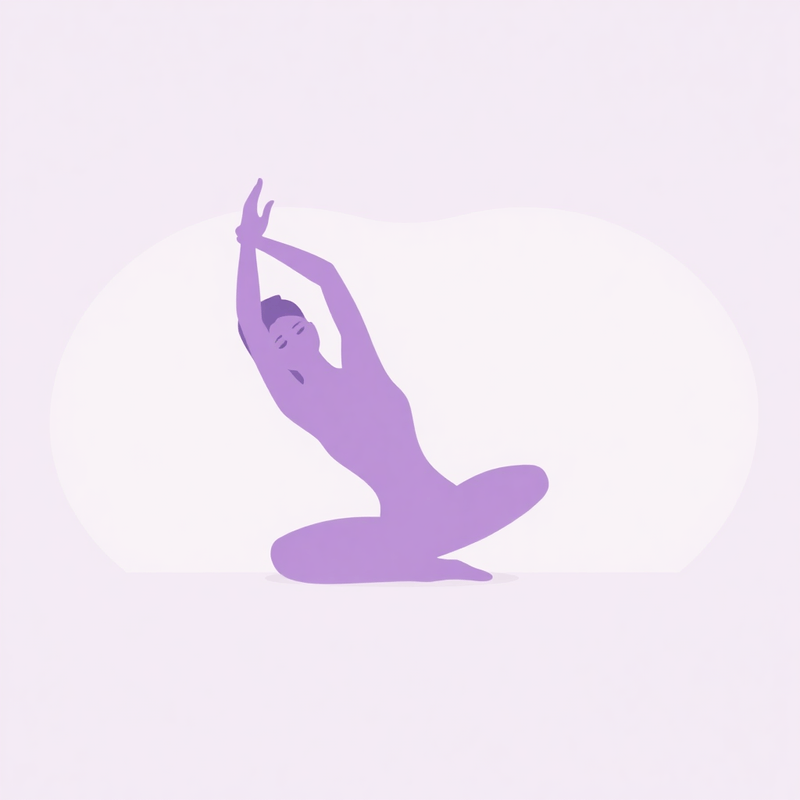
🧘♀️ Flexible coping: the wise-sage stresser
Even when stress comes, you cope relatively flexibly. Sometimes you're swayed by waves of emotion, but you overcome it your own way. A few more effective tips could help.
- Pursuing the beauty of balance- You value work-life balance and have your own hobbies or activities to relieve stress.
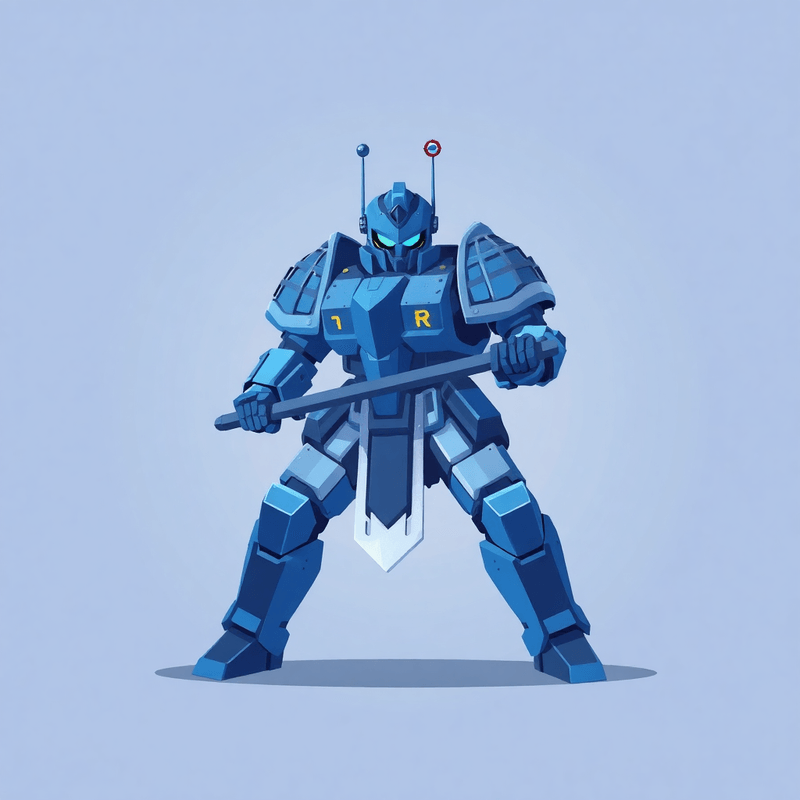
😎 Stress killer: the steel-mind stresser
You're a born steel-minded type who doesn't fear stress! You stay calm in any tough situation and excel at turning stress into a chance to grow, spreading positivity around you.
- Crisis manager- Even under unexpected problems or pressure, you don't panic and calmly find solutions.
All Questions
Q1
When an unexpected problem suddenly arises, your first reaction is?
- I panic, freeze up, and feel anxious.
- I feel frustrated, but soon try to find a solution.
- I calmly analyze the situation and make a plan to respond.
Q2
As an important work or study deadline approaches, how are you?
- I suffer intense pressure and anxiety and can't sleep well.
- I feel the pressure but cope with efficient time management.
- I calmly set priorities, proceed as planned, and stay relaxed.
Q3
When you hear criticism or negative feedback about your mistakes, your reaction?
- I'm deeply hurt, my self-esteem drops, and I dwell on it for a long time.
- I feel bad, but try to find improvements and let it go.
- I assess it objectively, take it as a chance to grow, and accept it positively.
Q4
How do you use rest time to relieve stress?
- Even while resting, I'm uneasy and anxious with work on my mind.
- I rest briefly, but soon get absorbed in stressors again.
- I fully immerse in a favorite hobby or activity and forget the stress.
- I actively manage stress with exercise, meditation, and the like.
Q5
When a conflict arises with a close friend or colleague, how do you cope?
- I get angry or avoid the relationship, hiding my discomfort.
- It's uncomfortable, but I carefully try to talk it through.
- I try to understand their position and seek a reasonable solution.
Q6
When you think about an uncertain future, how does your mind feel?
- I'm gripped by vague anxiety and fear, with many worries.
- I worry, but try to focus on the present and ease the anxiety.
- I imagine the future positively, make plans, and prepare.
Q7
When you're under heavy stress, how does your body react?
- Clear physical symptoms appear, like headaches or indigestion.
- I feel tired but brush it off and move on.
- Not much changes, but I notice my condition dipping and manage it.
- I feel no particular physical change and stay calm.
Q8
Do you have a clear way of relieving stress that's your own?
- No particular method; I act impulsively in the moment.
- Occasionally I watch a movie or eat something tasty.
- I manage stress with regular activities like exercise or reading.
- I steadily care for my mind with meditation, journaling, and the like.
Q9
Do you often feel pressure to do things perfectly?
- I'm driven by an obsession to always be perfect, and it stresses me.
- I want to do well, but compromise when it's impossible.
- I do my best, but focus on efficiency and satisfaction over perfection.
Q10
After a negative situation or failure, what do you usually think?
- I blame myself: 'I knew I couldn't,' 'It's all my fault.'
- I'm upset, but think I'll do better next time.
- I take failure as a learning chance and try to find the positives.
This is a personality-style test made for fun, not a clinically validated psychological assessment. It takes about 10 minutes and your answers are used only to show your result - nothing is saved beyond that unless you choose to share it.
Start the test